Katarzyna Mazur is a Polish visual artist based in Berlin.
Mazur’s work explores the body, identity and the politics of looking from a queer feminist perspective. She started with long-term photographic projects, but in the recent years her artistic practice has gradually expanded beyond photographic image. Today she works with archival materials, found footage, video and different strategies of image deconstruction. Rather than presenting fixed images, she is more interested in questioning what photographs do. Another significant aspect of her work is the use of mirrors, which engage viewers in the artwork.
Mazur’s work has been presented in numerous institutions including ARKO Art Center (Seoul, 2025), Total Museum (Seoul, 2025), C/O Berlin (2023), Kominek Gallery (Berlin, 2023), Fotoforum Dresden (Germany, 2022), Museum of Modern Art Cottbus (Germany, 2013), Passerelle Centre d’art contemporain Brest (France, 2012).
Her book „ANNA KONDA“ (2015, dienacht publishing) was nominated for the Aperture PhotoBook Award at the Paris Photo.
Instagram: @k.mazurrr
website: https://katarzynamazur.com/
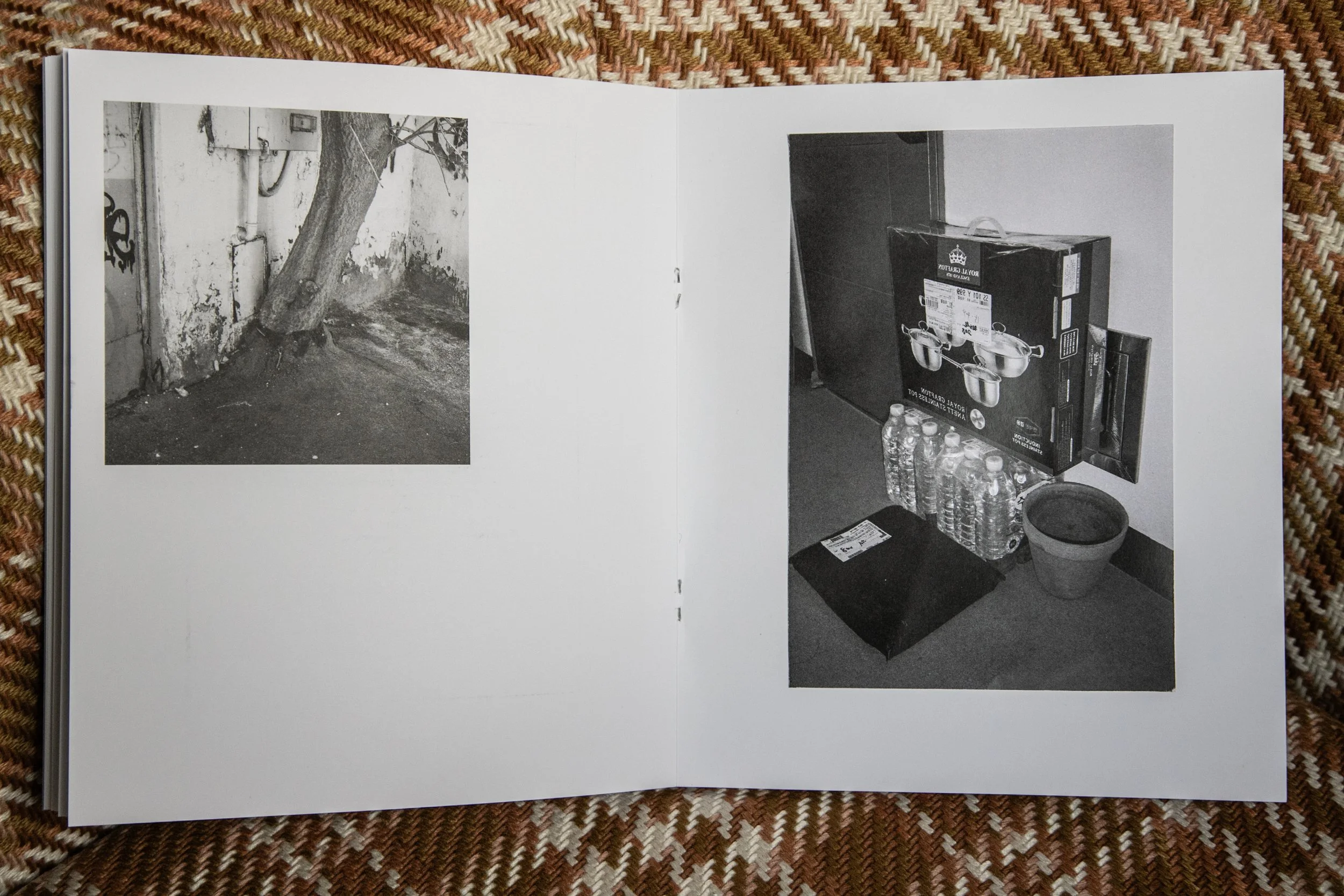
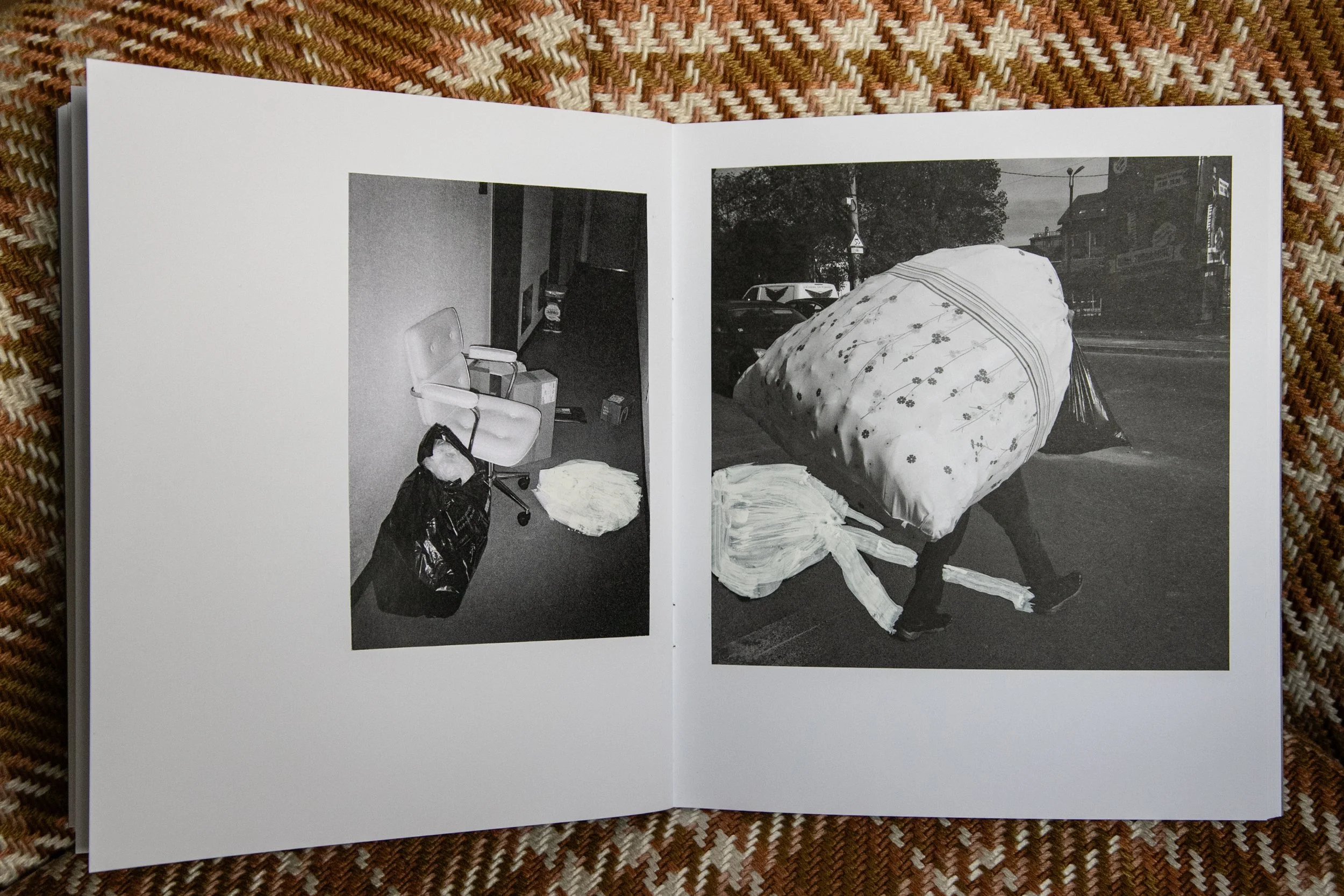
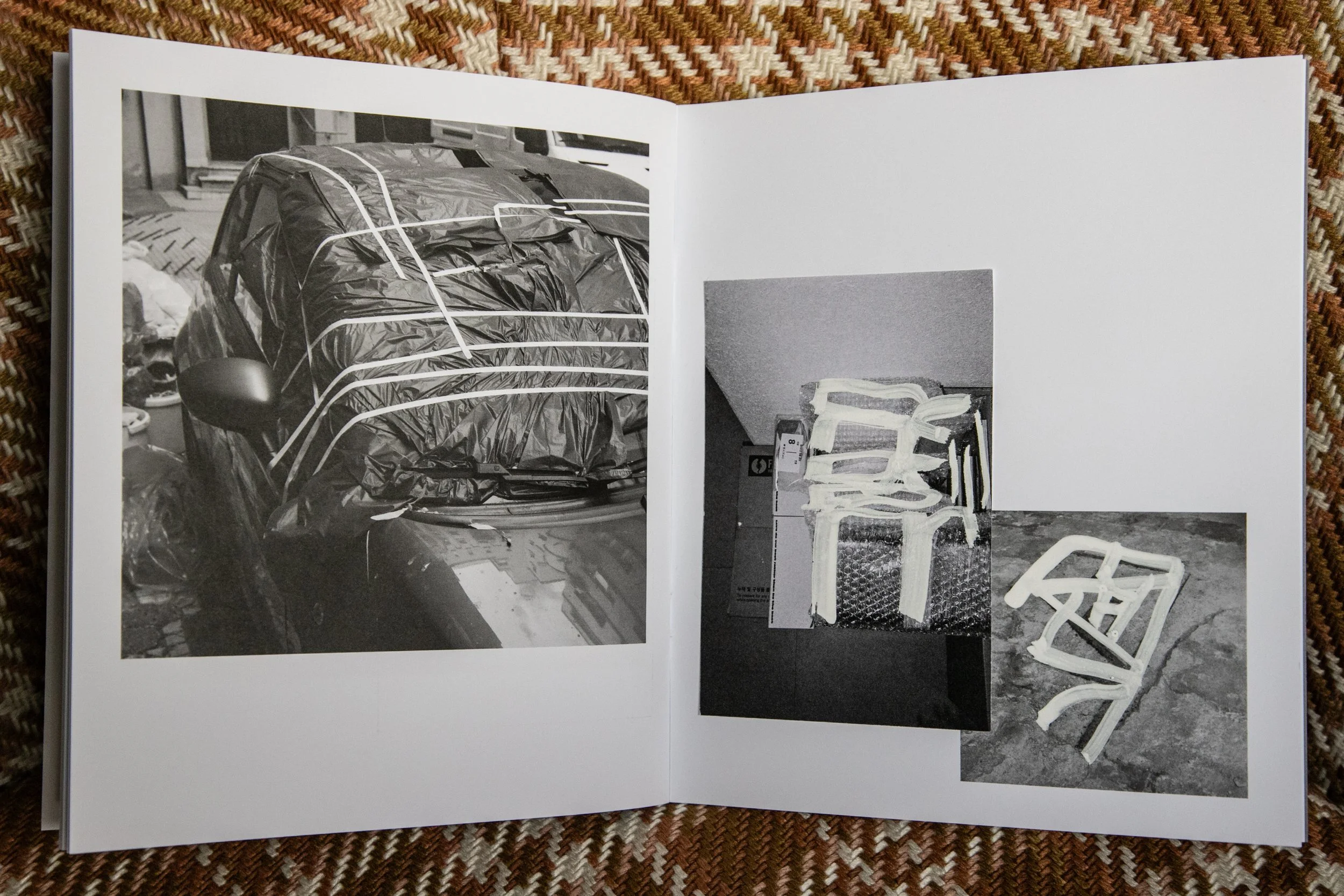
Looking at Aga Łuczakowska's photos reminded me of the feeling I experienced while living in Seoul for 4 months, as I left and returned to my temporary home. Without seeing any residents, I passed only objects in the hallways, which came in all sorts of variations and arrangements. Objects that didn’t fit in the one-room apartments or were no longer needed. Often, they were just traces of those objects—plastic wrap, bags, cardboard boxes, and various types of packaging. Many residents, myself included, lived there for a short time, so the apartments were furnished very minimally and functionally - just enough to sleep, wash up, do laundry, and cook a basic meal. This temporary nature made it difficult to adapt the space to feel at home. And yet, the ordered items piling up by the apartment doors, even though they served no apparent purpose, reminded me of their presence every day. For some reason, they weren’t removed from the hallways, and so the chairs - which no one sat on - simply became elements that blended into the all-encompassing anonymity, yet in a way, broke through it.
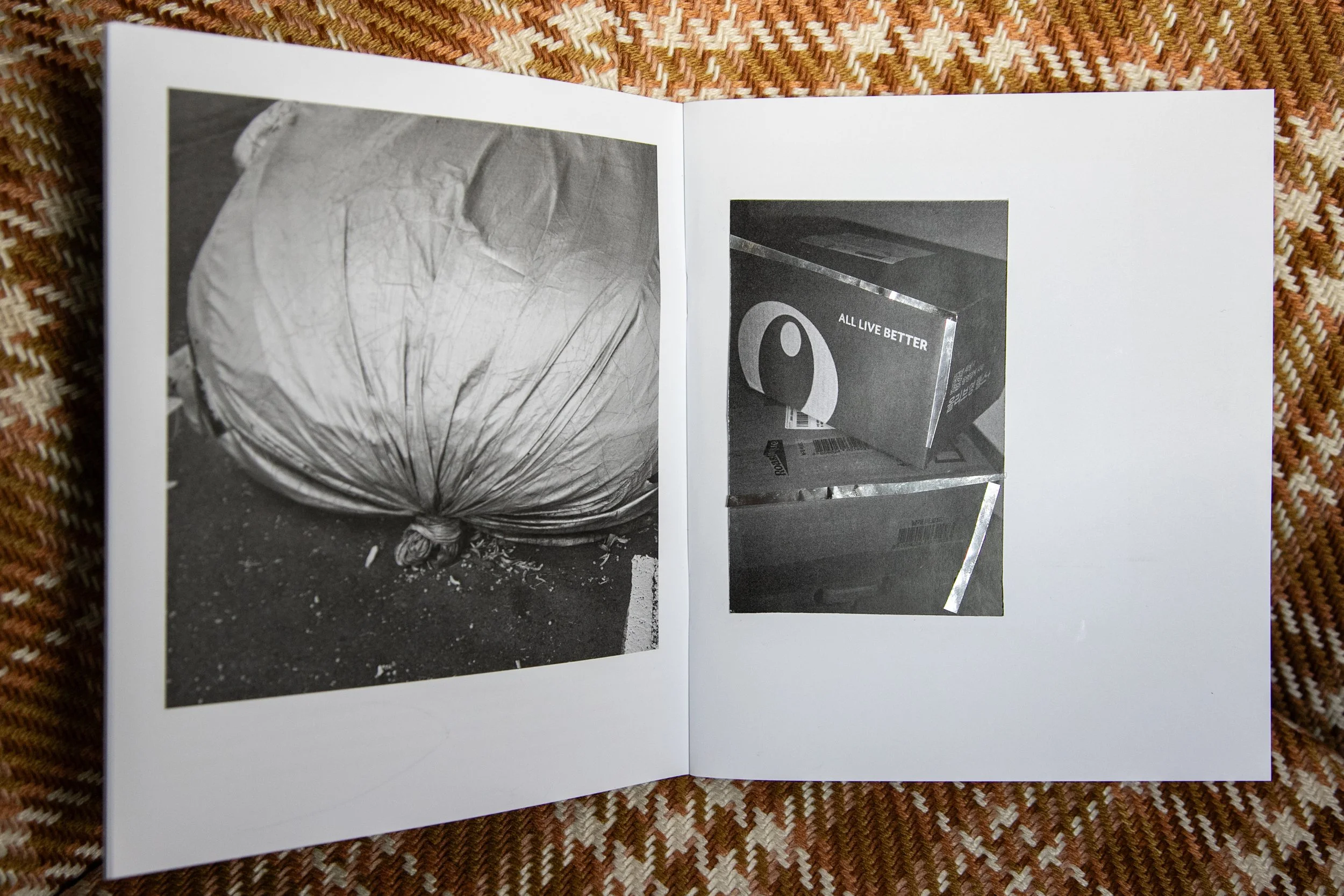
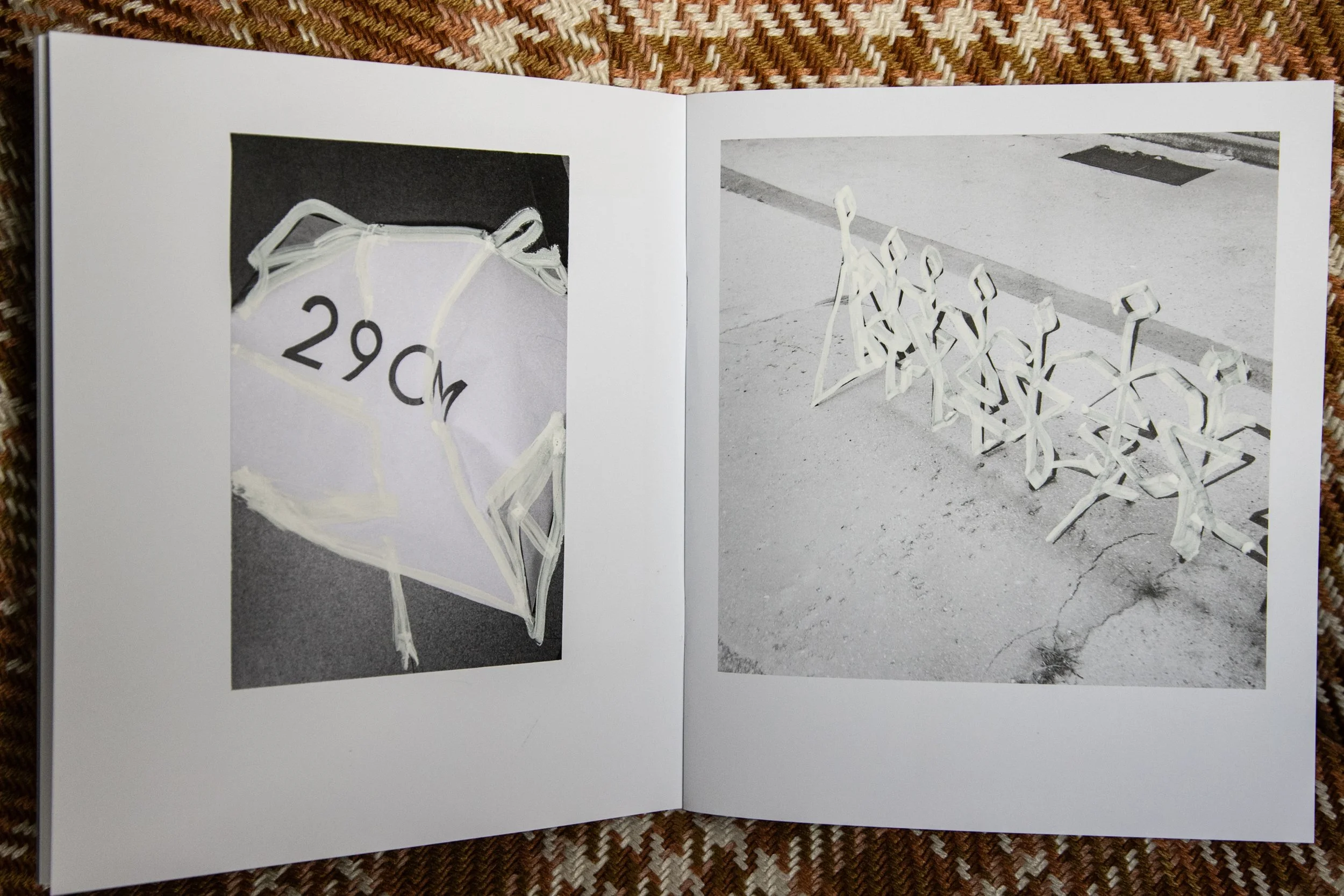
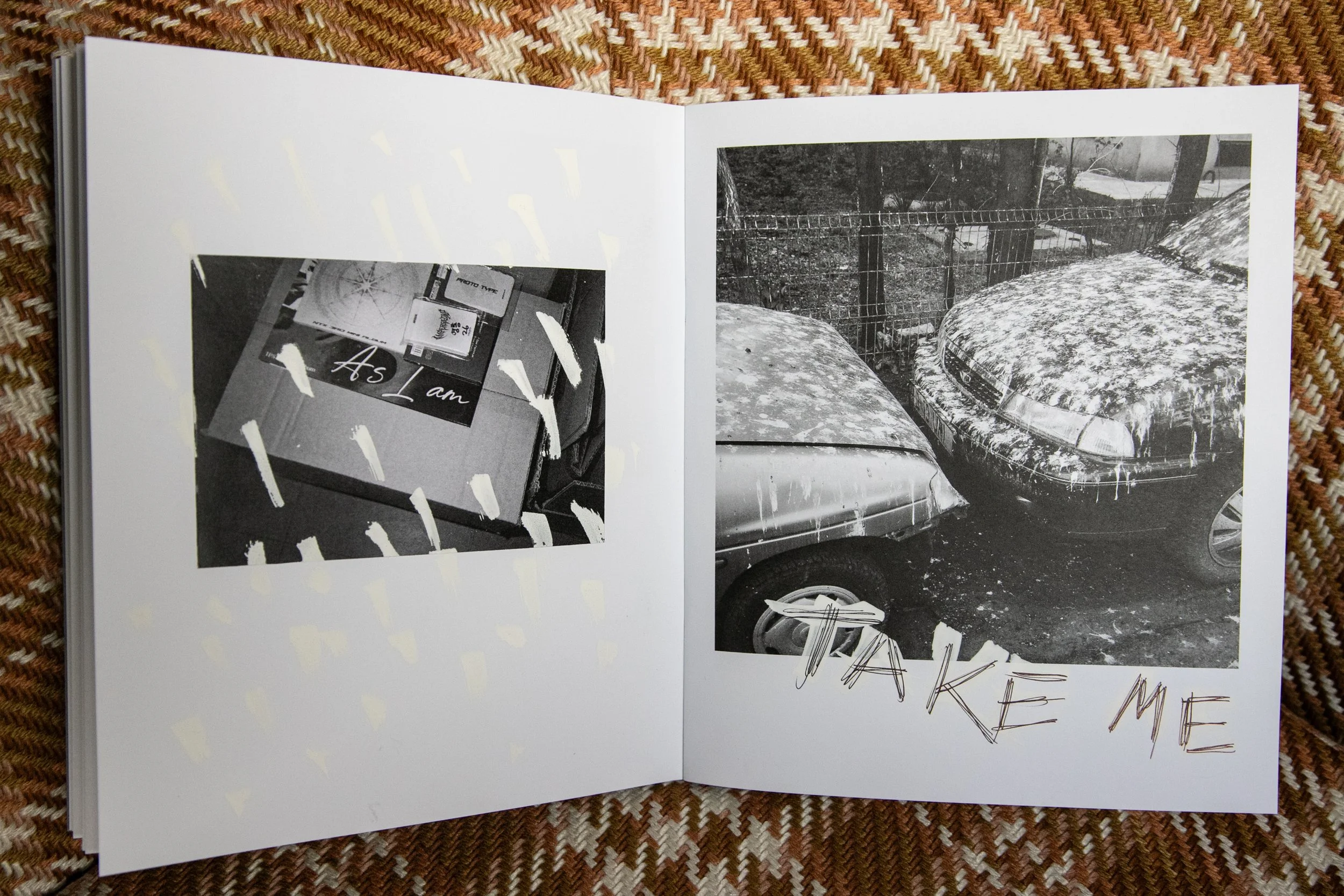
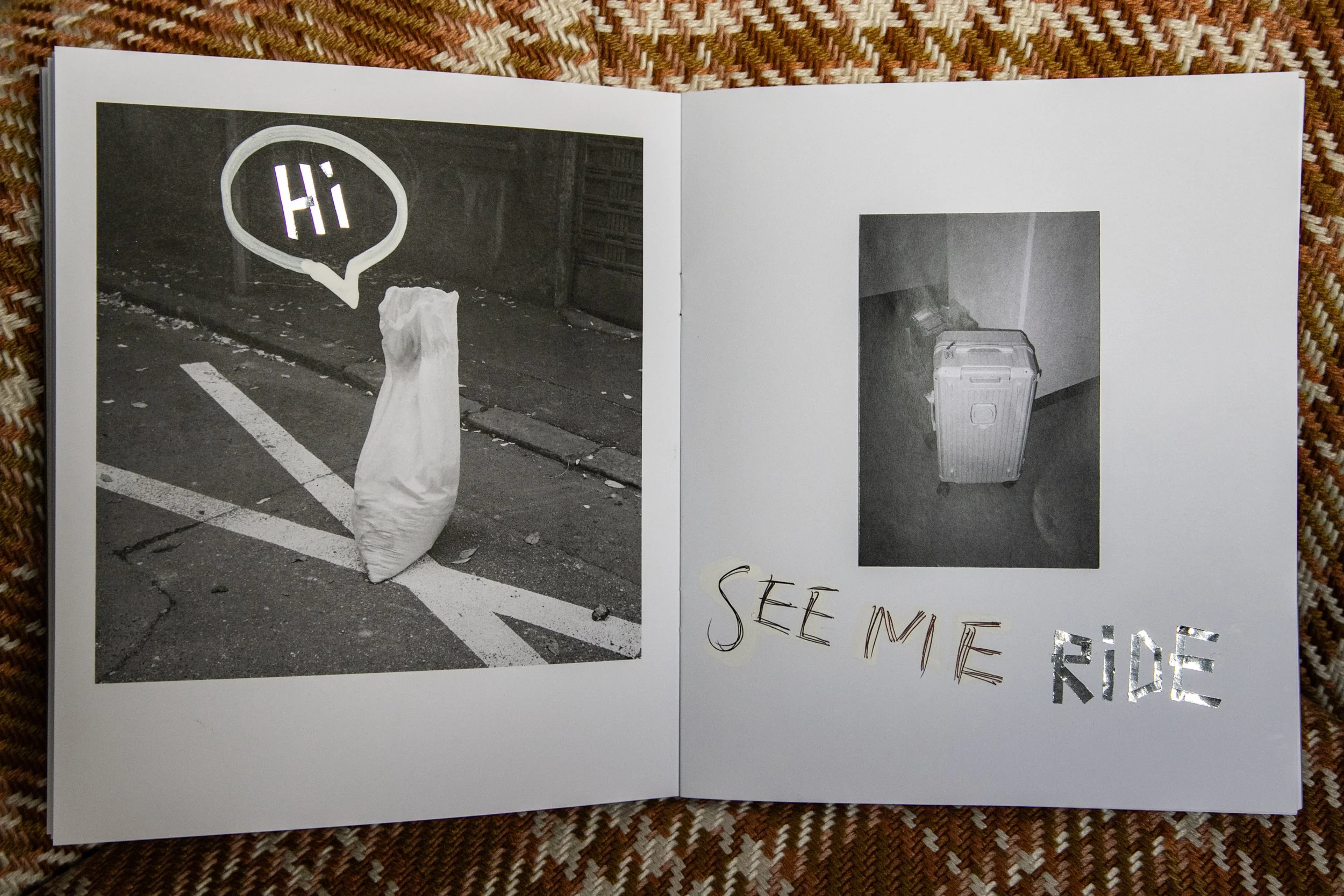
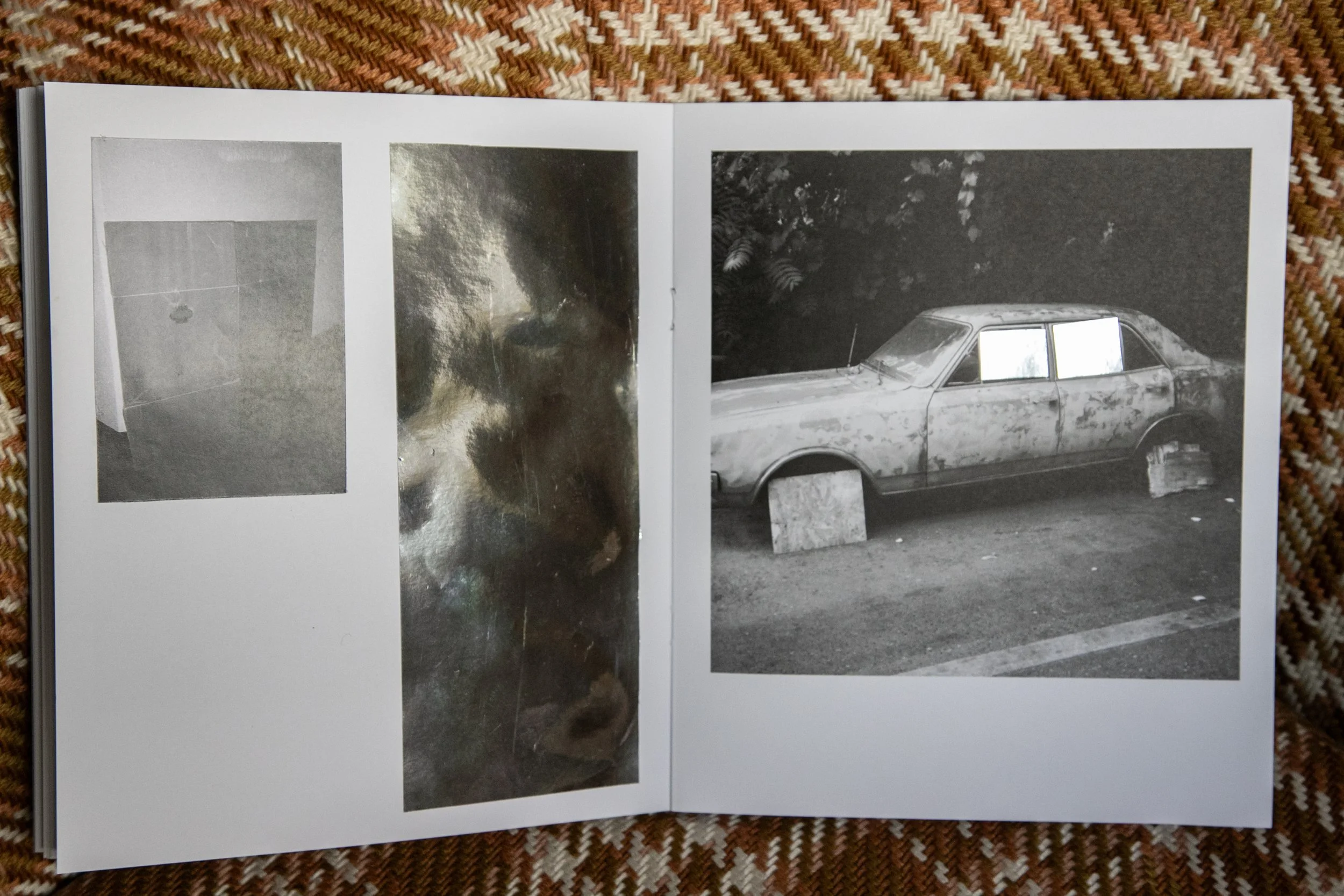
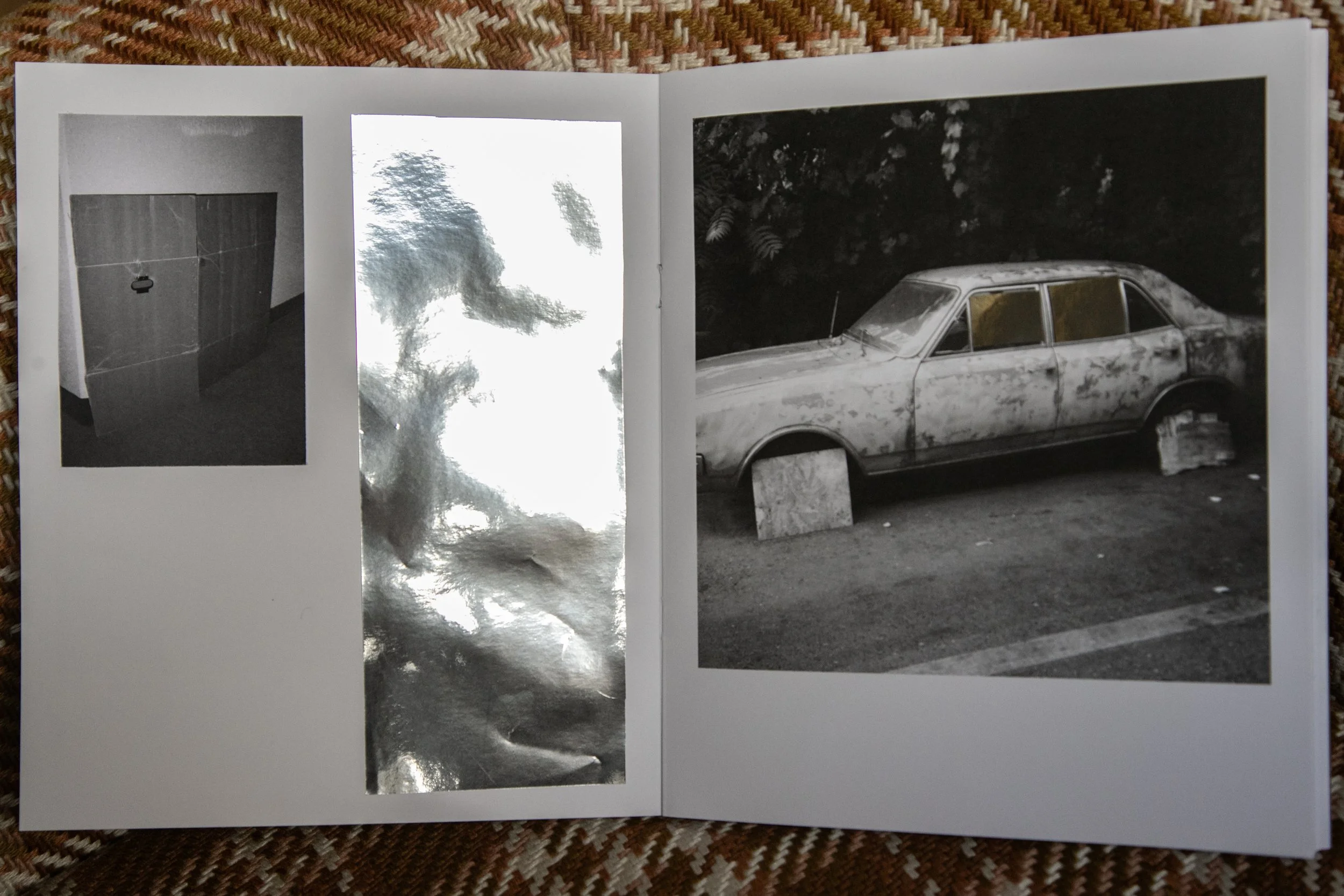
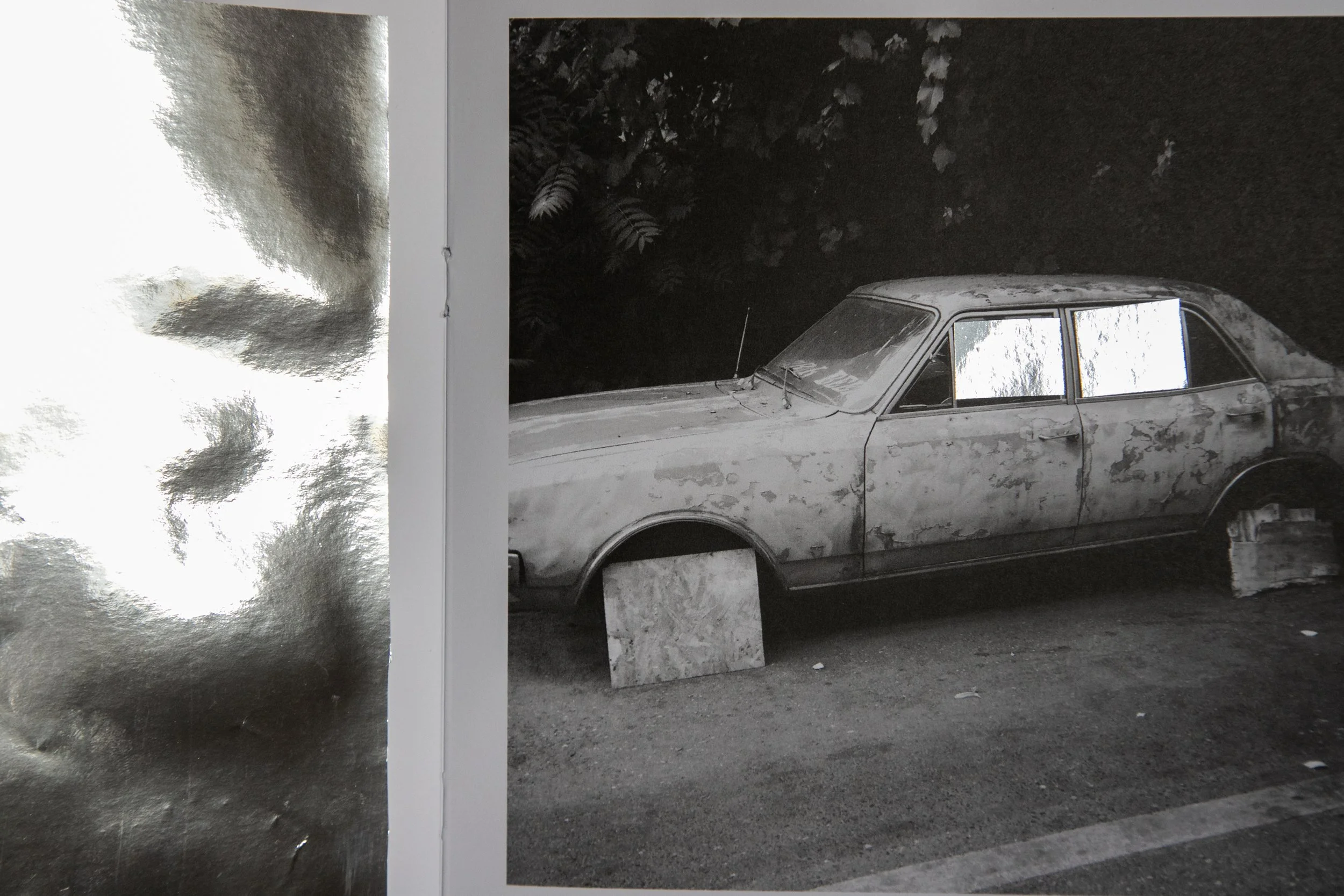
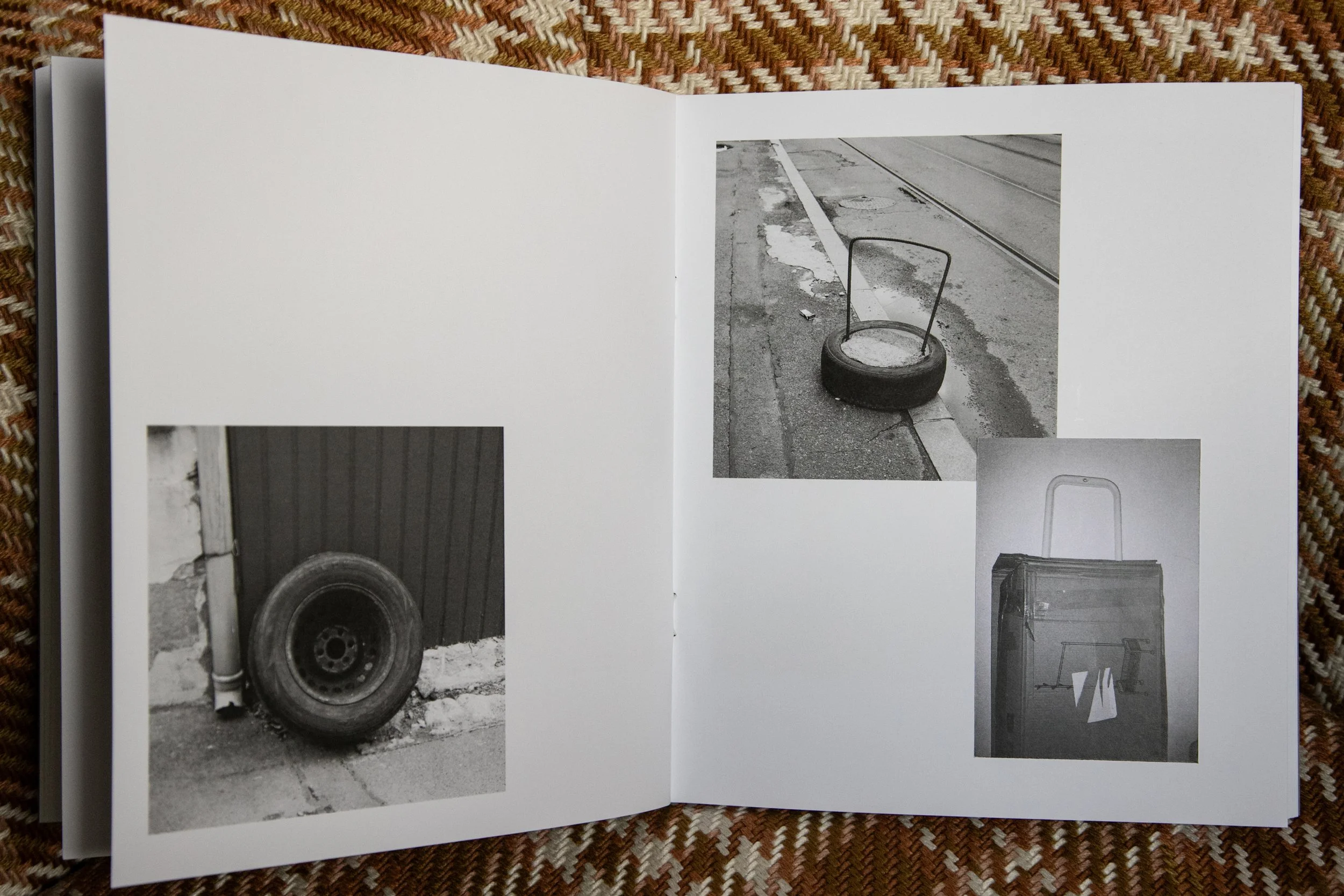
Just like the objects captured in Łuczakowska's photographs - whether a crate, a sack, or a tire—when left to themselves, they blend into their surroundings, though their intended purpose remains unclear. Perhaps, without the clear context to which we are accustomed - someone holding a sack, someone pushing a tire - these objects suddenly become subjects, teasing us, watching us, as if they were saying: take me, pick me up, here I am.
Returning to the feeling I mentioned at the beginning: I was reminded of that sense of loneliness, which was, however, of a different kind; it was a fact given by circumstances of a quite different reality, and that’s why I was able to accept the role of an outsider without resistance. The need for a sense of home, however small, was still there, and in a way, I found it in the everyday objects belonging to the residents of my building - private items, though on public display, yet accessible only to a select few: those strolling through the hallways.
Łuczakowska's photos reminded me of that feeling of loneliness, which was quickly replaced by a sense of resistance and a desire to change it. Just like the motif of a tree climbing around a pole, Aga shows us shapes - swirling elements that seem to interweave with the surrounding reality. Her objects don’t need context - they simply are - and the cracks, holes, bends, and breaks invite us to consider whether we see these imperfections as a failure or as opportunities for something unexpected.